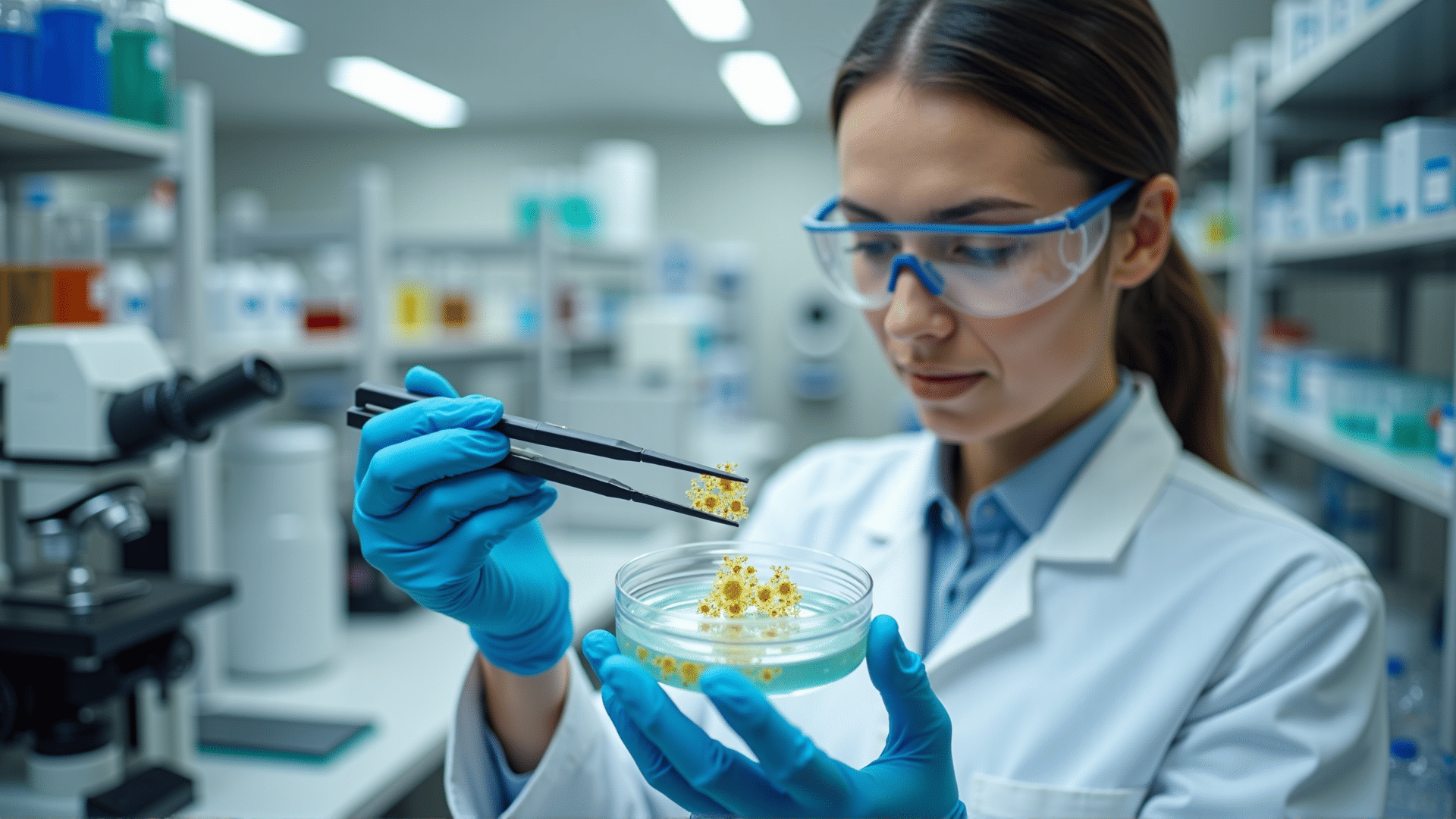
In recent years, the field of biotechnology has seen unprecedented advancements, transforming how we approach challenges in health and agriculture. These innovations leverage cutting-edge technologies to enhance the efficacy, accessibility, and sustainability of solutions in these crucial sectors.
Health: Revolutionizing Treatment and Diagnosis
Biotechnology has redefined healthcare by enabling precision medicine, enhancing diagnostic methodologies, and developing innovative therapies.
-
Precision Medicine: At the forefront is the Human Genome Project's legacy, which has paved the way for precision medicine. By understanding an individual's genetic makeup, treatments can be tailored, increasing their effectiveness and reducing adverse effects. Biotechnological tools like CRISPR-Cas9 have further empowered scientists to edit genes with unprecedented precision, offering potential cures for genetic disorders.
-
Advanced Diagnostics: Rapid advancements in bioinformatics and molecular biology have led to the development of next-generation sequencing techniques. These enable the early detection of diseases like cancer, often before symptoms even manifest, vastly improving patient outcomes. Additionally, point-of-care diagnostic devices have become more accessible, allowing for on-the-spot testing and immediate interventions, which is crucial in managing infectious diseases.
-
Innovative Therapies: The emergence of biologics, such as monoclonal antibodies and cell-based therapies, has opened new therapeutic avenues. These biologics offer targeted action with fewer side effects compared to traditional treatments. Notably, the development of mRNA vaccines, accelerated by the COVID-19 pandemic, has demonstrated biotechnological ingenuity in responding swiftly to emerging health threats.
Agriculture: Enhancing Sustainability and Productivity
In agriculture, biotechnological innovations are pivotal in ensuring food security and sustainability amidst growing environmental challenges.
-
Genetically Modified Organisms (GMOs): GMOs have been engineered for traits like pest resistance, drought tolerance, and enhanced nutritional content, significantly boosting agricultural productivity. These modifications not only ensure higher yields but also reduce the need for chemical pesticides and fertilizers, promoting environmental conservation.
-
Synthetic Biology: This emerging field involves designing and constructing new biological entities such as enzymes and entire organisms from scratch or redesigning existing biological systems. In agriculture, synthetic biology is employed to develop crops that can fix nitrogen from the atmosphere, potentially reducing reliance on synthetic fertilizers.
-
Smart Farming: Integration of biotechnology with digital technologies, known as smart farming, optimizes farming practices. Drones and IoT devices collect empirical data on soil health, weather patterns, and crop growth, helping farmers make data-driven decisions. Meanwhile, bioinformatics helps process this data, providing actionable insights for sustainable farming.
Ethical and Regulatory Considerations
While biotechnology promises revolutionary benefits, it also raises ethical and regulatory concerns. Issues such as gene editing ethics, biodiversity impact, and the patenting of genetically modified organisms demand careful consideration. Balancing innovation with ethical responsibility is crucial to ensure that biotechnological advancements are beneficial and sustainable in the long term.
Conclusion
Biotechnology is at the heart of several transformative changes in life sciences, offering innovative solutions to pressing challenges in health and agriculture. As these technologies continue to evolve, they hold the promise of not only improving human health and agricultural productivity but also ensuring environmental sustainability. Embracing these advancements while navigating the ethical and regulatory landscape will be key to shaping a future where biotechnology truly enhances life on Earth.